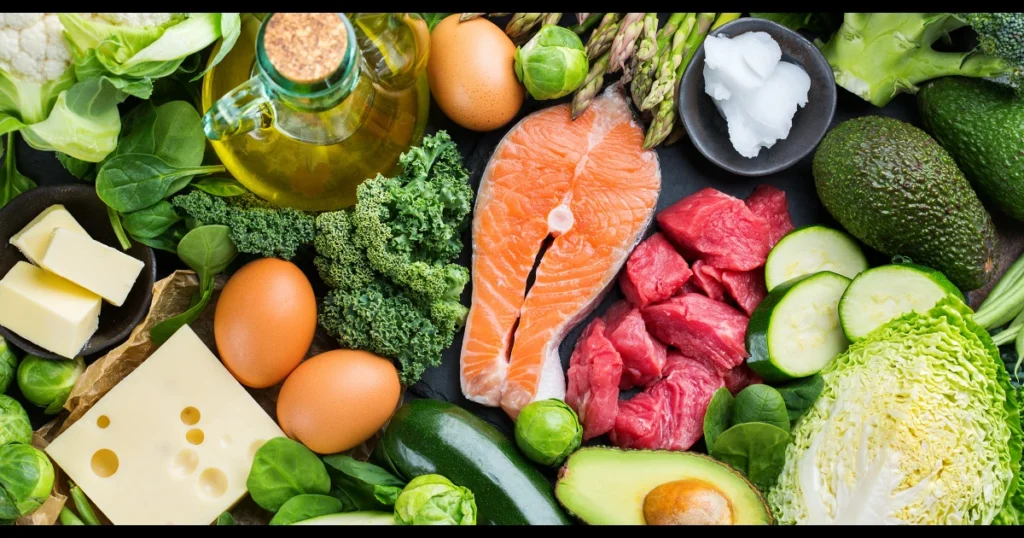
Proper nutrition is often called the cornerstone of health and for good reason. What we eat provides the essential nutrients our bodies require to grow, function, repair, and prevent disease. Unlike short-term diet trends, nutrition encompasses long-term eating patterns that influence every aspect of physical and mental well-being. Understanding this relationship is key to creating a strong foundation for a healthy life.
What Nutrition Really Means?
Nutrition refers to the process by which the body takes in and utilises food to sustain life. It includes the digestion, absorption, and use of nutrients from food to support vital biological processes such as energy production, tissue repair, immune function, and growth. These nutrients include:
-
Macronutrients: carbohydrates, proteins, and fats
-
Micronutrients: vitamins and minerals
-
Water and other dietary compounds that support physiological functions
A balanced diet ensures that these nutrients are available in sufficient quantities to meet the body’s needs. Without this balance, health outcomes deteriorate significantly.
Nutrition Fuels the Body’s Vital Functions
Every organ system depends on adequate nutrition to work optimally. For example:
Energy and Metabolism:
Carbohydrates and fats provide the energy needed to fuel daily activities and metabolic processes.
Growth and Repair:
Proteins are essential for building and repairing tissues such as muscle, bone, and organs. Without adequate protein, recovery from illness and injury is slower and less effective
Immune Support:
Micronutrients like vitamins A, C, D, zinc, and selenium are vital for immune cell function. A well-nourished body is better equipped to defend against infections and recover more quickly from illness .
Prevention of Chronic Diseases
One of the most compelling reasons proper nutrition is foundational to health is its role in disease prevention. Scientific research shows that unhealthy eating patterns contribute to major non-communicable diseases:
-
Heart disease
-
Type 2 diabetes
-
Certain cancers
-
Obesity
Diets rich in whole foods—such as fruits, vegetables, whole grains, lean proteins, and healthy fats—are associated with a significantly lower risk of these conditions. In fact, poor diet is one of the leading global causes of illness, exceeding risks associated with smoking and physical inactivity in some populations.
Mental Health and Cognitive Function
Nutrition affects the brain just as much as the body. Certain nutrients such as omega-3 fatty acids, B-vitamins, and antioxidants play crucial roles in brain development, memory, mood regulation, and cognitive performance. Poor nutrition, especially diets high in ultra-processed foods, has been linked to negative outcomes in mood and mental health. One recent discussion from Harvard experts even suggests that ultra-processed foods may contribute to cognitive decline and emotional health issues over time .
Nutrition Throughout Life Stages
Proper nutrition matters at every age:
Children and Adolescents:
Adequate nutrient intake supports physical growth, brain development, and learning capacity.
Adults:
Good nutrition helps sustain energy, maintain immunity and normal body function.
Seniors:
Balanced diets support bone health, muscle maintenance, and reduce the risk of age-related chronic disease.
Nutrition science continues to identify how diet impacts long-term health, growth trajectories, and disease risks across the lifespan
The Impact of Dietary Choices
Today’s food environment is dominated in many regions by energy-dense, nutrient-poor options that contribute to poor health outcomes. Research from health authorities such as the CDC shows how ultra-processed foods make up a large portion of calories in some diets, often at the expense of nutrient-rich foods. Reducing intake of heavily processed items and prioritizing whole foods improves nutrient status and overall health outcomes
Practical Tips to Build a Nutrient-Rich Diet
-
Increase Fruits and Vegetables: Aim for a variety of colors and types.
-
Choose Whole Grains: Replace refined grains with whole alternatives.
-
Opt for Lean Proteins: Include poultry, fish, beans, lentils, and plant proteins.
-
Healthy Fats: Focus on sources such as nuts, seeds, olive oil, and avocados.
-
Limit Processed Foods: Reduce sugars, unhealthy fats, and high-salt products.
These simple changes can significantly elevate nutrient intake and support overall health.
Conclusion
Proper nutrition is not merely a lifestyle choice; it is the foundation of healthy life and well-being. From cellular processes to long-term disease prevention, nutrition influences every biological system. Prioritizing a balanced, nutrient-rich diet empowers individuals to live healthier, more energetic, and longer lives. When combined with physical activity and overall healthy habits, proper nutrition becomes a powerful tool for sustaining lifelong health.
References
-
Harvard Health on nutrition and disease prevention. Harvard Health
-
Nutrition and health relationship, immune support, chronic disease prevention. BNS (B.Sc in Nursing) Institute
-
Balanced diet fundamentals and essential nutrients. HealthSpark
-
Impact of poor diet on global health. Food For Health
-
Nutrition research priorities for health maintenance. PubMed
-
Effects of ultra-processed foods on health outcomes. AP News
-
Mental health concerns linked to dietary patterns. The Times of India