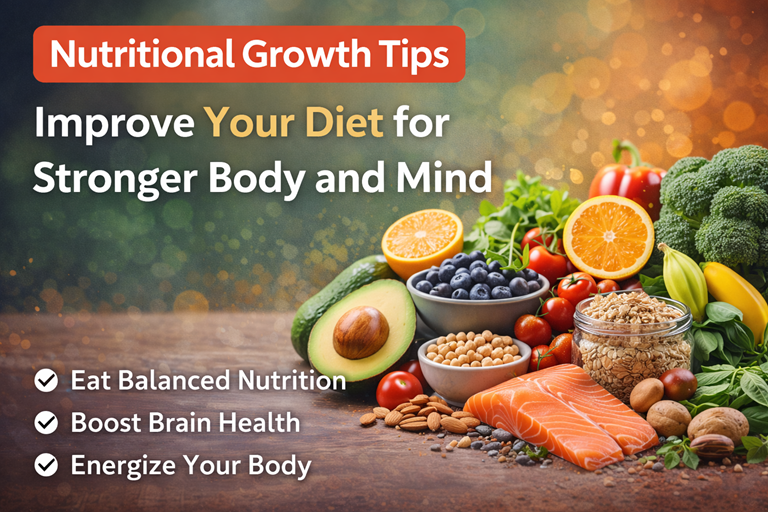
In today’s fast-paced lifestyle, maintaining proper nutrition has become more important than ever. Nutritional growth is not just about eating more—it’s about consuming the right balance of nutrients that support both physical health and mental well-being.
Research shows that a balanced diet rich in fruits, vegetables, whole grains, and healthy fats plays a crucial role in improving brain function, energy levels, and overall health.
If you want a stronger body and a sharper mind, your diet is the foundation.
Why Nutritional Growth is Important?
Nutritional growth directly impacts:
- Physical strength and immunity
- Brain function and memory
- Energy levels and productivity
- Long-term disease prevention
According to global health research, proper nutrition helps reduce the risk of chronic diseases like diabetes, heart disease, and hypertension, while also supporting mental well-being.
Top Nutritional Growth Tips for a Healthy Life
1. Follow a Balanced Diet
A balanced diet includes:
- Carbohydrates (energy source)
- Proteins (muscle repair)
- Healthy fats (brain health)
- Vitamins & minerals (overall function)
Studies show that people who follow a balanced diet experience better cognitive function and mental health outcomes.
2. Include Brain-Boosting Nutrients
Certain nutrients play a direct role in improving brain performance:
- Omega-3 fatty acids → Improve memory and focus
- B Vitamins → Support nerve function
- Antioxidants → Protect brain cells
- Vitamin E & C → Reduce oxidative stress
Foods like fish, nuts, seeds, leafy greens, and berries are essential for brain health.
3. Eat More Whole Foods, Less Processed Food
Highly processed foods contain:
- Excess sugar
- Unhealthy fats
- Low nutritional value
Research indicates that diets high in processed foods can negatively impact brain function and mental health.
👉 Focus on:
- Fresh fruits and vegetables
- Whole grains (brown rice, oats)
- Natural protein sources
4. Stay Hydrated
Water is essential for:
- Brain function
- Digestion
- Energy levels
Even mild dehydration can affect concentration, mood, and cognitive performance.
5. Maintain a Consistent Eating Schedule
Skipping meals can lead to:
- Low energy
- Poor concentration
- Overeating later
Instead, follow:
- 3 balanced meals
- 1–2 healthy snacks
6. Include Fiber-Rich Foods
Fiber supports:
- Digestive health
- Weight management
- Blood sugar control
Good sources:
- Fruits
- Vegetables
- Legumes
- Whole grains
7. Choose Healthy Fats
Not all fats are bad. Healthy fats:
- Support brain function
- Improve heart health
Best sources:
- Nuts and seeds
- Olive oil
- Avocados
Diets rich in healthy fats are linked with reduced cognitive decline and better brain health.
8. Limit Sugar and Salt Intake
Excess sugar and salt can lead to:
- Obesity
- High blood pressure
- Reduced cognitive performance
Moderation is key for long-term health.
Best Foods for Nutritional Growth
Here are some of the most effective foods for overall growth:
- Leafy greens (spinach, kale)
- Fruits (berries, citrus)
- Whole grains (oats, brown rice)
- Lean proteins (eggs, fish, legumes)
- Nuts and seeds
These foods provide essential nutrients that support both body strength and mental clarity.
How Nutrition Impacts Mental Health
Nutrition is directly linked to mental well-being.
Scientific studies show that diets rich in nutrient-dense foods:
- Improve mood
- Reduce anxiety
- Enhance cognitive performance
On the other hand, poor diet choices can lead to:
- Brain fog
- Fatigue
- Increased stress levels
A healthy diet can even slow cognitive decline and support long-term brain health.
Simple Daily Diet Plan (Example)
Morning:
- Oats + fruits + nuts
Lunch:
- Brown rice + vegetables + dal / lean protein
Evening Snack:
- Fruits or nuts
Dinner:
- Light meal with vegetables + protein
Conclusion
Nutritional growth is not about strict diets—it’s about consistent, smart eating habits.
By focusing on a balanced diet, whole foods, and essential nutrients, you can significantly improve both your physical strength and mental performance.
Small daily changes can lead to long-term health benefits, making nutrition the most powerful investment in your life.
Backlinks
- https://developers.google.com/search
- https://moz.com/blog
- https://neilpatel.com/blog/
- https://www.medicalnewstoday.com/articles/a-balanced-diet-is-better-than-a-vegetarian-one-in-supporting-brain-health
- https://brain.health/brain-health-pillars/nutrition/nutrition-brain-health-overview
- https://food.ndtv.com/health/people-who-eat-balanced-diet-have-better-mental-health-outcomes-and-cognitive-function-latest-research-5405639