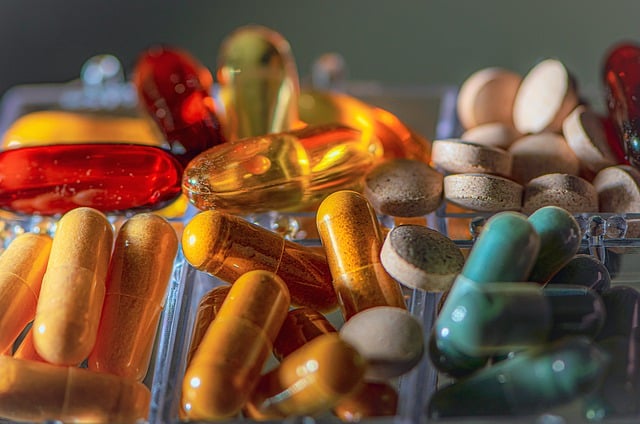
Adolescence is a critical stage of life marked by rapid physical growth cognitive development and significant hormonal changes. Proper nutrition during this period directly influences adult height bone strength metabolic health and reproductive maturity. A balanced and nutrient rich diet is essential for supporting healthy development and long term wellbeing. Focusing on evidence based nutrition during adolescence plays a central role in sustainable nutritionalgrowth.
Why Nutrition Matters During Adolescence?
Between the ages of ten and nineteen the body experiences accelerated growth in height muscle mass and organ development. This phase also includes the onset of puberty which is regulated by complex hormonal processes. Inadequate nutrition during adolescence may result in delayed growth weakened immunity hormonal imbalance and increased risk of chronic diseases later in life. Adequate dietary intake ensures that the body has the resources required for optimal nutritionalgrowth and biological maturity.
Key Nutrients Supporting Adolescent Growth and Hormonal Health
Protein
Protein is essential for muscle development tissue repair and hormone synthesis. Adolescents require higher protein intake to support rapid growth and increased physical activity. Sources include dairy products eggs pulses fish lean meats and nuts.
Calcium and Vitamin D
Calcium and vitamin D are vital for bone mineralization and skeletal strength. During adolescence nearly half of adult bone mass is formed making these nutrients critical for preventing future bone disorders.
Iron
Iron supports red blood cell production oxygen transport and cognitive performance. Adolescent girls are particularly at risk of iron deficiency due to menstruation making iron rich foods essential for healthy nutritionalgrowth.
Zinc
Zinc plays an important role in cell division immune function and sexual maturation. Deficiency may impair growth and delay puberty.
B Vitamins and Folate
These nutrients support energy metabolism brain development and hormone regulation. Adequate intake is necessary to maintain physical and mental performance during adolescence.
Nutrition and Hormonal Development
Nutrition directly influences hormonal pathways that regulate growth and puberty. Adequate energy intake supports growth hormone and insulin like growth factor activity which are essential for height and tissue development. Undernutrition may delay puberty while excessive intake of calorie dense processed foods can disrupt hormonal balance. Maintaining dietary quality is therefore essential for stable endocrine function and healthy nutritionalgrowth.
Dietary Recommendations for Adolescents
Adolescents should consume a balanced diet that includes whole grains fruits vegetables lean proteins healthy fats and dairy or fortified alternatives. Regular meals and nutritious snacks help maintain energy levels and support metabolic health. Limiting sugary beverages and processed foods reduces the risk of obesity and hormonal imbalance. Hydration physical activity and adequate sleep further enhance the benefits of good nutrition.
Special Considerations
Nutritional needs vary by gender activity level and individual growth patterns. Adolescent girls may require additional iron while boys often need higher energy intake during growth spurts. Socioeconomic and cultural factors also influence dietary access making nutrition education and public health programs essential for promoting nutritionalgrowth at a population level.
Conclusion
Nutrition plays a foundational role in adolescent growth development and hormonal health. Adequate intake of energy protein vitamins and minerals supports physical maturation cognitive performance and long term wellbeing. Investing in proper nutrition during adolescence ensures healthier adults and stronger future generations. A consistent focus on quality diet and lifestyle habits is key to achieving optimal nutritionalgrowth.
Credible sources and further reading
-
Norris SA, Frongillo EA, Black MM, et al. Nutrition in adolescent growth and development. Lancet. 2022. PubMed
-
Lassi ZS, et al. Nutrition in Middle Childhood and Adolescence. NCBI Bookshelf / WHO (2017). NCBI
-
Soliman AT, et al. Nutritional interventions during adolescence and their effects on growth and development. PMC (2022). PMC
-
Calcaterra V, Verduci E. How the intricate relationship between nutrition and hormonal equilibrium influences adolescent endocrine health. PMC (2024). PMC
-
UNICEF / WHO publications on adolescent diets, nutrition programming and policy (reports on middle childhood and adolescence). UNICEF+1
To Read More Blogs :- Click Here