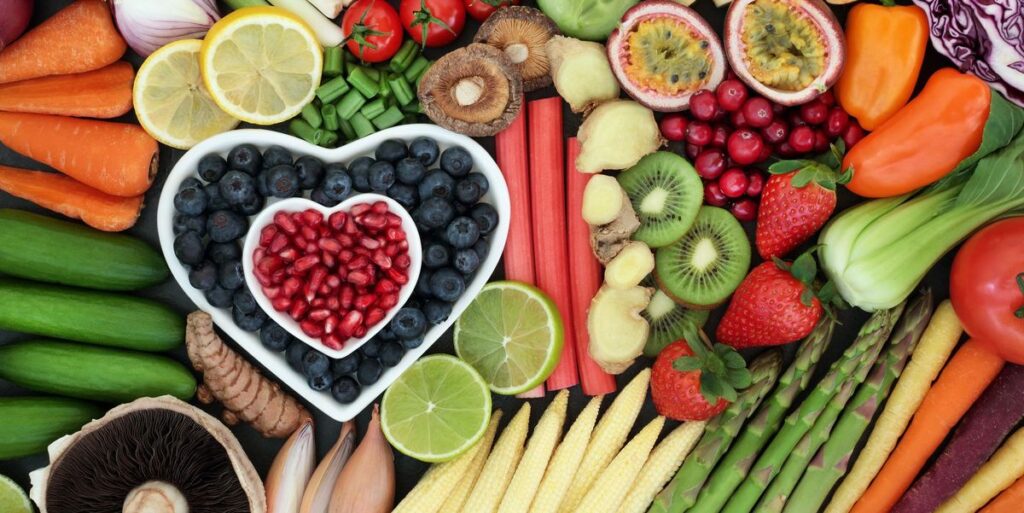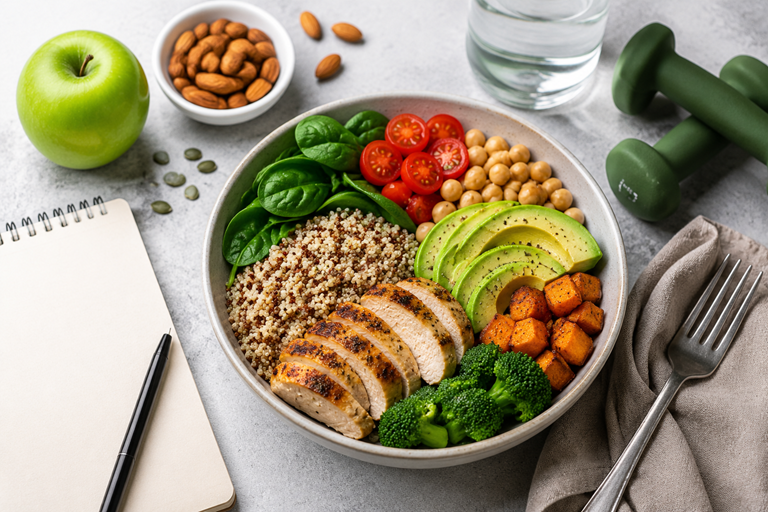
In 2026, health and nutrition have become one of the most important aspects of modern lifestyle. With increasing stress, sedentary work culture, and fast food consumption, maintaining proper nutrition is essential for long-term fitness and wellness.
Nutritional Growth focuses on scientifically balanced diet plans that help improve energy levels, build immunity, support muscle growth, and maintain overall health. Whether the goal is weight loss, muscle gain, or general wellness, structured nutrition plays a critical role in achieving sustainable results.
This guide explains the best diet strategies for healthy living and fitness based on modern nutritional science and global health recommendations.
What is Nutritional Growth?
Nutritional Growth refers to the process of improving physical health through balanced and optimized nutrition. It involves consuming the right proportion of macronutrients (proteins, carbohydrates, fats) and micronutrients (vitamins and minerals) based on individual needs.
The concept is supported by global health organizations such as:
- World Health Organization (WHO)
- Harvard School of Public Health
- National Institutes of Health (NIH)
These institutions emphasize that proper nutrition is the foundation of disease prevention, mental health stability, and physical performance.
Key Principles of Nutritional Growth
1. Balanced Macronutrients
A healthy diet should include:
- Protein for muscle repair and growth
- Carbohydrates for energy
- Healthy fats for hormone regulation
2. Micronutrient Intake
Vitamins and minerals support immunity, metabolism, and organ function. Deficiency can lead to fatigue and health issues.
3. Hydration
Water is essential for digestion, metabolism, and detoxification. Proper hydration improves physical performance and cognitive function.
4. Calorie Management
Calorie intake must match fitness goals:
- Calorie deficit for weight loss
- Calorie surplus for muscle gain
- Maintenance calories for balanced lifestyle
Best Diet Plans for Healthy Living and Fitness (2026)
1. High-Protein Diet Plan
Ideal for muscle building and fat loss.
Foods include:
- Eggs
- Chicken
- Fish
- Lentils
- Greek yogurt
2. Balanced Indian Diet Plan
Suitable for long-term health.
Includes:
- Roti, rice (controlled portions)
- Vegetables
- Dal and legumes
- Fruits
- Healthy oils like mustard or olive oil
3. Keto Diet (Low Carb, High Fat)
Focuses on fat burning by reducing carbohydrates.
Foods include:
- Nuts
- Cheese
- Eggs
- Avocados
- Healthy oils
4. Mediterranean Diet
One of the most scientifically proven diets for heart health.
Includes:
- Olive oil
- Whole grains
- Seafood
- Fresh vegetables and fruits
5. Intermittent Fasting
Focuses on eating within specific time windows.
Popular method:
- 16:8 fasting cycle
Benefits:
- Weight loss
- Improved metabolism
- Better insulin control
Nutritional Growth for Fitness Goals
Weight Loss
- Calorie deficit diet
- High protein intake
- Low sugar and processed foods
Muscle Gain
- High protein + calorie surplus
- Strength training support diet
- Frequent meals with balanced macros
General Wellness
- Balanced diet
- Whole foods
- Regular hydration
- Avoid junk food
Common Nutrition Mistakes to Avoid
- Skipping meals frequently
- Overconsumption of sugar
- Lack of protein intake
- Ignoring hydration
- Relying on processed foods
Avoiding these mistakes ensures consistent nutritional growth and long-term health stability.
Scientific Importance of Nutrition
Studies from global health research show:
- Proper nutrition reduces risk of chronic diseases
- Balanced diet improves mental health and focus
- Protein-rich diets support muscle regeneration
- Whole foods improve longevity and immunity
Backlinks
- https://www.who.int/health-topics/nutrition
- https://www.hsph.harvard.edu/nutritionsource/
- https://www.nhlbi.nih.gov/health/educational/wecan/
- https://www.healthline.com/nutrition
- https://www.medicalnewstoday.com/
- https://www.mayoclinic.org/healthy-lifestyle/nutrition-and-healthy-eating
- https://www.ncbi.nlm.nih.gov/
- https://www.cdc.gov/nutrition/
Conclusion
Nutritional Growth in 2026 is not just about dieting—it is about building a sustainable lifestyle based on science, balance, and consistency. By following structured diet plans and avoiding poor eating habits, individuals can achieve better health, fitness, and long-term wellness.
A well-planned nutrition strategy improves energy, supports mental clarity, and helps achieve fitness goals effectively.