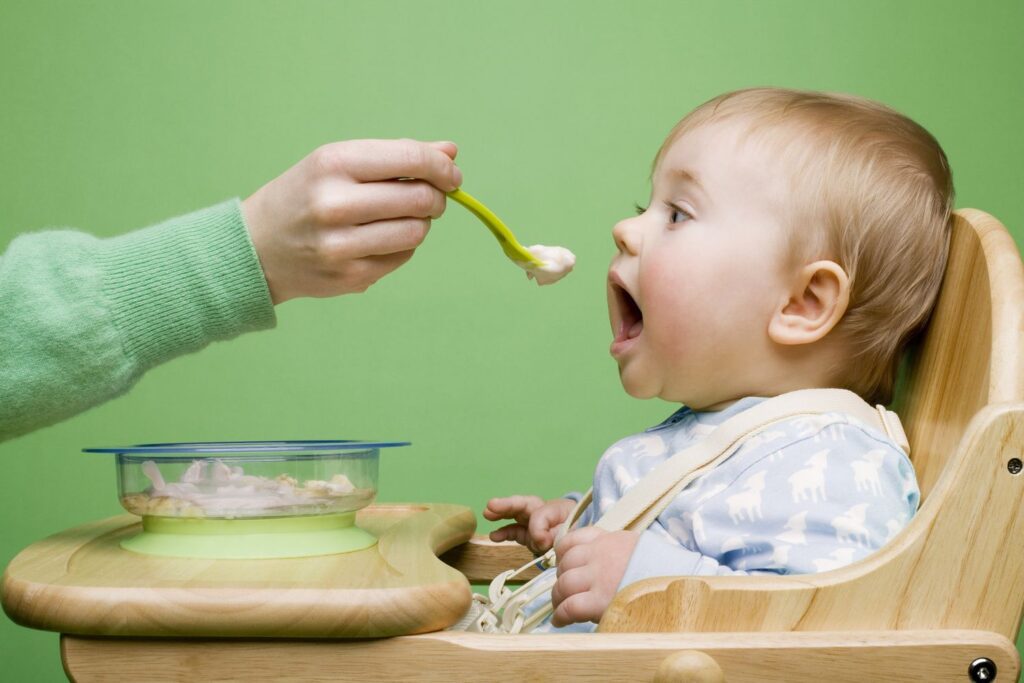
Food is one part of a child’s development alongside health, relationships, rest and opportunities to learn. A useful nutrition article should help families plan meals without promising a particular height, examination result or IQ.
Plan from the child’s real day
List where breakfast, lunch and snacks happen. School timings, travel and family work schedules often explain why a good intention is difficult to follow. Choose one point in the day where preparation would help.
Keep a small set of meal ideas that suit your household. Adapt ingredients, texture and portions to the child’s age, appetite and any individual advice.
Make variety practical
Rotate familiar ingredients rather than introducing many new foods at once. A rice-and-dal meal, a roti meal with a cooked filling or a curd-based accompaniment can be adapted to what your family eats.
Write down useful alternatives for days when one ingredient is unavailable. A menu should be flexible enough to use, not a test that a family must pass perfectly.
Keep expectations realistic
Nutrition does not guarantee a particular adult height or learning outcome. Claims that a powder or meal makes a child taller or smarter need careful scrutiny.
Discuss concerns about growth or feeding with a qualified professional. Bring earlier measurements and a short account of the eating routine rather than relying on comparisons with other children.
Supportive questions for the week
Was there time to eat? Was the lunch easy to carry and store? Which meals were accepted? What would make preparation simpler next week? These observations can guide a useful change.
For guidance on assessing growth concerns, see the NHS child growth and weight information.