A varied diet can start with familiar ingredients rather than a list of expensive “powerhouse” foods. The ten options below are suggestions for planning meals, not a compulsory menu or a ranking of the healthiest foods.
- Oats: keep a plain option in the cupboard and choose your own toppings.
- Rice or another familiar grain: plan the accompaniment before cooking so the meal is more than its base.
- Dal: prepare a version your household enjoys and pair it with vegetables.
- Chickpeas or other beans: use appropriately cooked beans in a bowl, curry or filling.
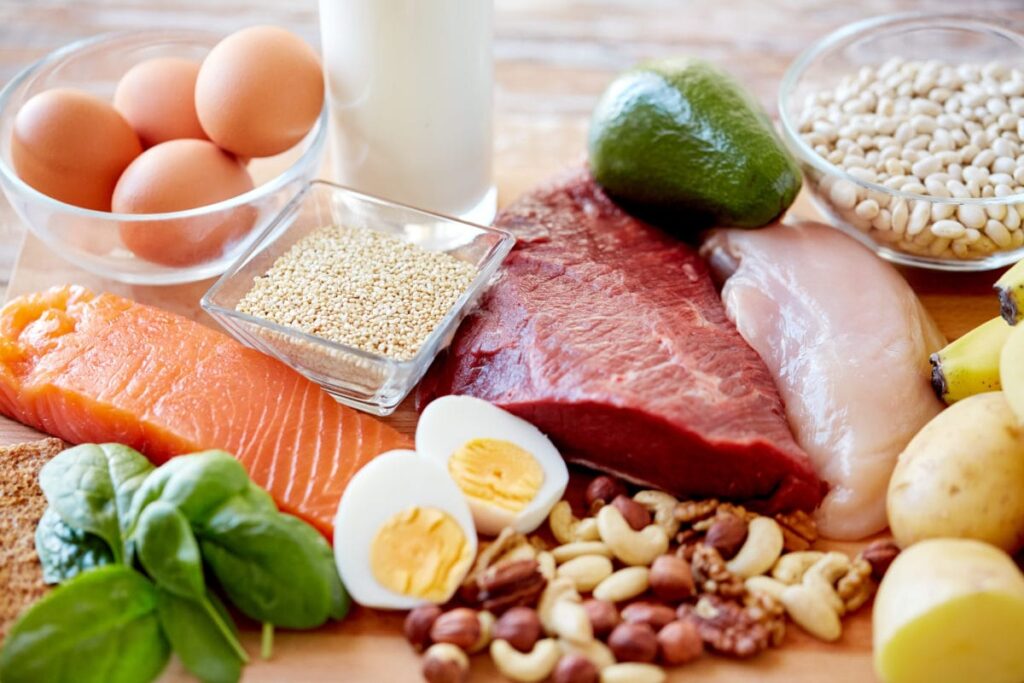
- Eggs, if eaten: decide on a simple cooked preparation and an accompaniment.
- Plain curd: serve it with a meal or add fruit shortly before eating.
- Fish, if eaten: choose a preparation you can cook safely and remove bones as appropriate.
- Leafy greens: buy an amount you can wash, prepare and use rather than letting a large bunch spoil.
- Seasonal vegetables: keep a flexible dish in mind so you can use what is available.
- Whole fruit: choose affordable fruit your household will actually eat.
Turn a list into meals
Choose a base, an accompaniment and a vegetable dish, then write a shopping list. For example, make rice with dal and vegetables, or assemble a simple breakfast from oats and your preferred additions. Adjust choices for allergies, preferences and any medical dietary advice.
Shop and store with a plan
Check the cupboard before buying more. Put foods that need using soon into the next meal, and keep a backup for a busy evening. Frozen or conveniently prepared ingredients can help when time is limited; check their labels and preparation instructions.
Keep the wider pattern in view
No ingredient on this list guarantees better health by itself. The NHS Eatwell Guide describes balance across the overall diet rather than demanding a perfect plate at every meal.