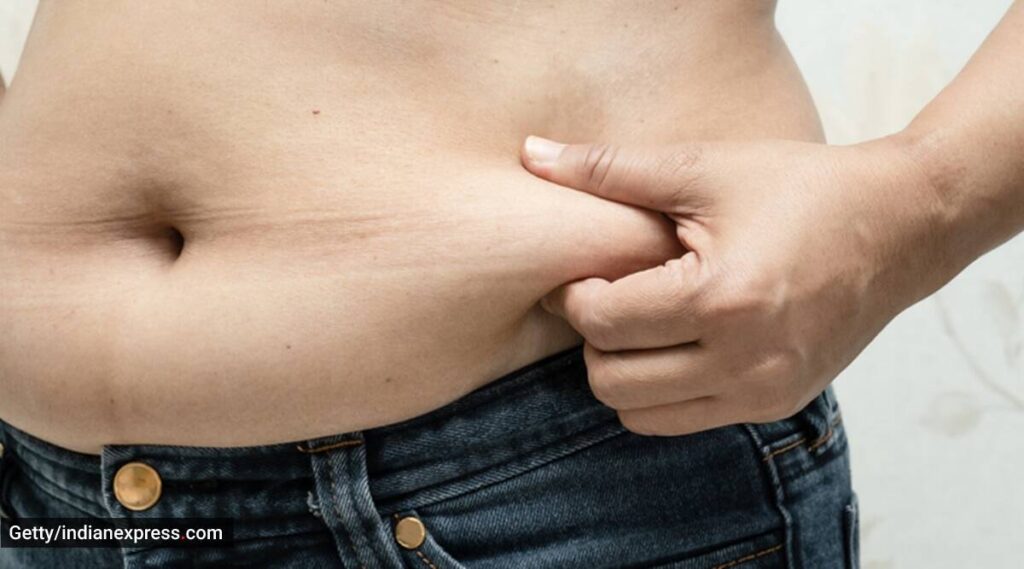
Articles about “belly fat” often promise a drink, food or short diet plan that changes one body area. A more useful approach is to understand overall health, choose sustainable eating habits and obtain individual advice when it is needed.
Why a single measurement is incomplete
NIDDK explains that both body mass index and waist size can contribute to assessment, while also describing limits to these measurements. A photograph, clothing size or comparison with someone else does not provide a full health assessment.
Plan for ordinary days
Review where meals come from during a typical working week. Choose one difficulty to address: missing lunch, eating from a packet while travelling, or depending on takeaway because nothing is ready.
Prepare a short list of meals you can repeat and ingredients you can use in more than one dish. Do not make the entire plan depend on expensive foods or a supplement.
Check the whole eating pattern
Consider meals, drinks, snacks and extras together. Ask whether a change is realistic for your schedule and whether you can maintain it when work or family commitments are busy.
Keep a backup meal available and compare packaged products using the serving you actually eat. A product marketed for weight loss still needs the same label checks as any other food.
Avoid a promised timeline
This page does not offer a seven-day transformation, an individual calorie prescription or a guarantee of fat loss from the abdomen. Sustainable plans need to reflect the person’s circumstances.
Seek qualified advice if weight changes unexpectedly or you need help with a medical condition, medication or an eating difficulty.
Further information
NIDDK: understanding healthy weight and waist size.