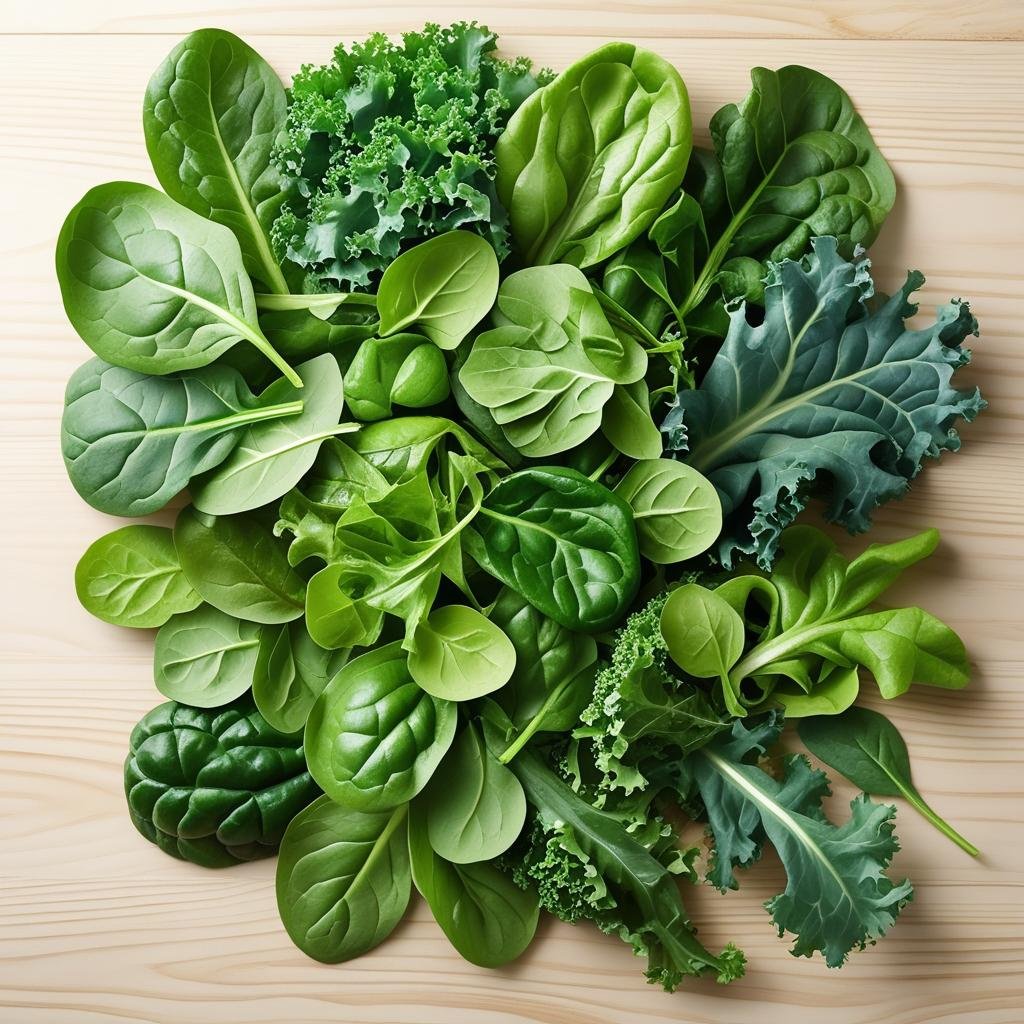
Leafy greens can bring variety, colour and texture to everyday meals. Spinach, mustard greens, lettuce and other edible leaves differ in flavour and nutrient content. They are useful ingredients, but they do not detoxify the liver or guarantee protection from illness.
What a realistic benefit looks like
Vegetables are one part of the varied eating pattern described in the World Health Organization’s healthy-diet guidance. Choosing greens is a way to include vegetables, not a separate treatment programme. Different greens provide different nutrients; a single list of vitamins does not describe every variety or portion.
Choose greens you will actually use
Start with one familiar variety. If you buy a large bunch without a meal in mind, some may go unused. Plan a dish before shopping, and consider whether fresh or frozen greens fit your kitchen better. Follow package storage instructions and use correctly identified edible leaves.
Four meal ideas
- Add chopped greens to a familiar dal during cooking.
- Prepare a simple cooked xaak side dish with seasonings you enjoy.
- Fold cooked greens into an omelette or another dish you already make.
- Use salad leaves intended for raw eating, prepared according to food-safety and package guidance.
These are flexible ideas, not a nutritional analysis of a finished recipe. Oil, salt, other ingredients and portion size change the meal.
Keep health claims in proportion
No single serving can guarantee weight loss, clear skin, stronger immunity or disease prevention. If a medical condition or medication affects your food choices, seek individual advice rather than following a universal daily-greens rule.
Source
World Health Organization: Healthy diet
Editorial note: this article was substantially revised on 25 October 2026 with AI assistance and source checks. It is not presented as a clinical review.