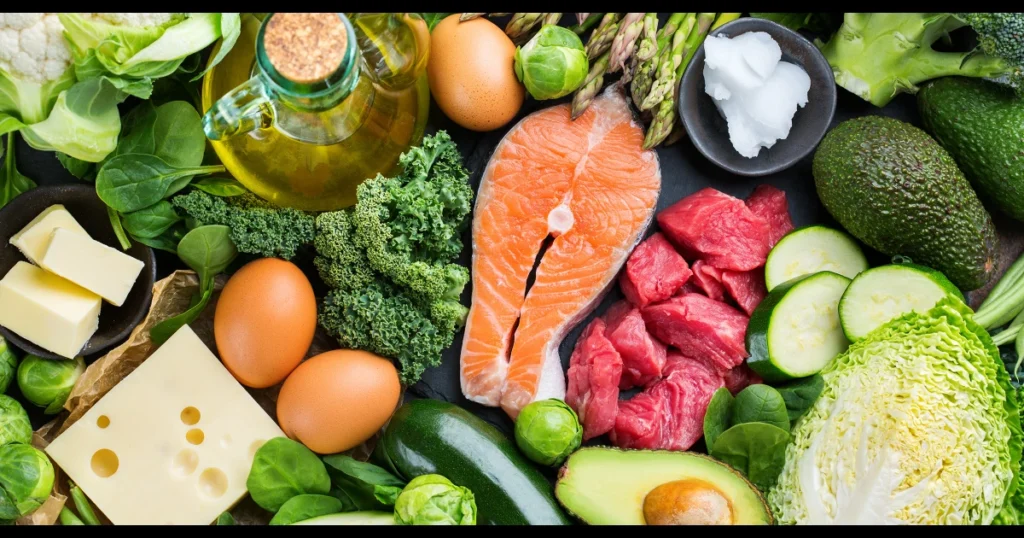
A child’s meals do not need a “superfood” label. This list offers everyday food ideas to discuss and adapt within your household. It is not a height-increase plan, a treatment for poor growth or a list of foods every child must eat.
Start with age, texture and allergies
Serving suggestions must suit a child’s development and eating skills. Whole nuts, hard raw vegetables, whole grapes and thick chunks of nut butter can be choking hazards. Follow age-appropriate preparation advice, keep children seated and supervise eating. Account for known allergies and any clinical feeding advice.
Ten flexible ideas
- Dal: use a familiar pulse alongside the family’s usual staple.
- Egg: if suitable, include it in a fully cooked family dish.
- Yogurt: offer a suitable plain version rather than treating it as a probiotic cure.
- Tofu or paneer: prepare in a texture the child can manage.
- Cooked greens: add a little to a familiar dish without promising extra height.
- Soft cooked vegetables: vary the vegetables available locally.
- Fruit: prepare safely for the child’s eating abilities.
- Rice, roti or oats: use a familiar staple as part of a varied meal.
- Boneless cooked fish: if the household eats fish, check carefully for bones.
- Beans: cook and prepare appropriately as another family-food option.
Plan one change at a time
Pick one meal that is often rushed. Decide what you can prepare in advance, what you need to buy and which familiar food the child usually accepts. An affordable repeatable routine is more useful than a long shopping list of fashionable ingredients.
For persistent feeding difficulties or growth concerns, seek assessment from a pediatrician or an appropriately qualified dietitian. Supplements should not be used simply because a food list calls a child a picky eater.
Related reading and source
How nutrition and genetics work together · Children and protein shakes